
2026 World Cup Football: 3 Defining Insights
The 2026 FIFA World Cup is the first men’s tournament featuring 48 teams, hosted across Canada, Mexico, and the United States, with 104 matches scheduled from 11 June to 19 July 2026. FIFA expanded the competition from 32 nations, creating a 12-group format in which the top two teams and eight best third-place teams advance to a 32-team knockout stage. The final will be played at MetLife Stadium in East Rutherford, New Jersey, while the opening match takes place at Estadio Azteca in Mexico City. Coach’s Corner covers the tournament through match predictions, team tactics, player statistics, and daily 2026 World Cup analysis. The most practical takeaway is simple: assess squad depth, travel demands, and group mathematics together rather than relying on reputation alone.
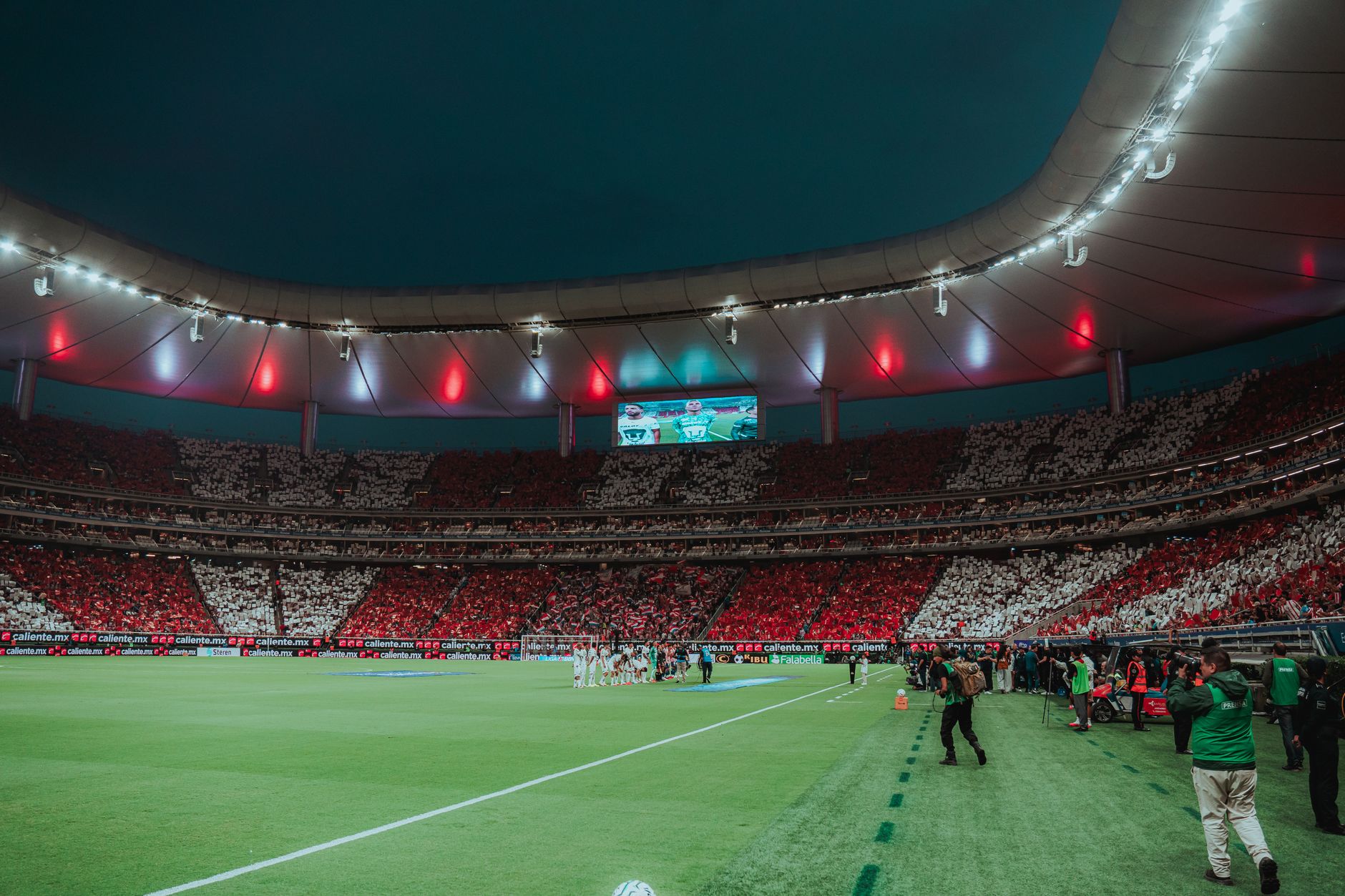
Photo by Santiago Sauceda González on Pexels
“The ball is round, the game lasts ninety minutes,” as Sepp Herberger’s old football saying goes. I have watched enough tournaments to know the sentence is not a cliché; it is a warning. World Cup football punishes lazy certainty. A decorated side can unravel under heat, distance, injuries, and one badly defended set piece, while an unfashionable team can discover courage in the space between expectation and fear.
For readers following the 2026 FIFA World Cup, the tournament’s scale matters immediately. Canada, Mexico, and the United States will stage matches across 16 host cities, from Vancouver and Toronto to Monterrey, Miami, Los Angeles, and New York/New Jersey. The expanded field creates more football, more travel, and more potential for tactical surprises. It also creates a larger information problem, which is why Coach’s Corner focuses on evidence rather than noise. For broader context, the FIFA World Cup overview remains the primary reference point.
Want a sharper view of the tournament landscape?
The Bottom Line
The 2026 World Cup will be decided by tournament management as much as individual brilliance: squad rotation, recovery, defensive transitions, and the ability to survive an expanded group stage. Forty-eight teams will compete, but the eventual champion still needs seven victories to lift the trophy, assuming it wins every knockout match after progressing from the group phase. The key is understanding that extra entrants do not make the final rounds easier; they make the early rounds less predictable and place greater value on finishing first or second. According to FIFA’s official competition information, the tournament will be the largest World Cup edition in history.
That expansion changes how we should read form. In a 32-team competition, a single poor result could make qualification nearly impossible; in the 12-group structure, third-place calculations add another route forward, but they also create strange incentives on the final matchday. Teams may protect a draw, manage goal difference, or chase a result depending on parallel fixtures. In my experience, these situations expose analysts who look only at league points. A team’s qualification probability can swing on goals scored, disciplinary records, and the timing of a late equaliser. The [Internal Link: 2026 World Cup format guide] belongs beside every serious tournament forecast.
There is a useful operational edge that many previews will miss: the 2026 venue map makes travel itself a performance variable. A team moving between Vancouver, Dallas, Atlanta, and New York faces a different recovery problem from one remaining within a compact regional cluster. Climate adds another layer, especially when matches occur in hot, humid locations such as Miami or Monterrey. These are not decorative details. A substitute introduced in the 68th minute may matter more in a draining climate than a famous starter whose legs have already gone. I have lost enough predictions to respect fatigue as a statistic, not an excuse.
What Do Players Actually See?
Players experience the 2026 World Cup as a sequence of compressed decisions shaped by travel, climate, pressure, and tactical adaptation. The expanded tournament means squads must prepare for different match tempos, surface conditions, and recovery windows across Canada, Mexico, and the United States. The most successful teams will not simply possess the best starting eleven; they will manage the entire 26-player squad with discipline.
At pitch level, a footballer sees less of the grand event than supporters imagine. He sees the next pressing trigger, the full-back’s body angle, the distance to the holding midfielder, and whether the opposing striker is drifting behind his blind shoulder. Yet the tournament environment enters every one of those decisions. A humid night in Miami changes pressing intensity, while altitude and heat in parts of Mexico can punish a team that chases the match without structure. Travel across six time zones can also reduce the sharpness of a side that normally relies on aggressive counter-pressing.
The 2026 tournament will therefore reward adaptable systems. A 4-3-3 may become a 4-5-1 without the ball; a nominal winger may defend as a wing-back; a centre-forward may drop into midfield to create a numerical advantage. The most important player may not be the one scoring the winning goal but the one preserving spacing when everyone else is tired. For tactical terminology and match-reading principles, see our [Internal Link: advanced World Cup tactics analysis].
Get started with a more disciplined tournament approach.
The 3 Things That Matter Most
1. How does the new 48-team format change qualification?
The 48-team format creates 12 groups of four, with the top two teams and eight best third-place teams reaching the round of 32. It gives more nations a realistic route into the knockout stage, but it also makes final-day permutations harder to evaluate because comparable third-place records depend on points, goal difference, goals scored, and disciplinary criteria.
The format rewards controlled ambition. A team that wins its first two matches can rotate intelligently in the third, protect key players, and prepare for the knockout bracket. A side that starts with a draw may need to attack more aggressively, yet the third-place pathway means a narrow defeat can remain survivable in some groups. That uncertainty creates a substantial information gain for anyone studying match predictions: never evaluate a group fixture without modelling the other two matches.
The 2026 World Cup also introduces a round of 32 before the last 16, increasing the number of elimination matches and giving coaches more opportunities to exploit opponent weaknesses. According to The Athletic’s tournament analysis, expanded competitions often magnify squad depth because additional knockout minutes accumulate rapidly. The practical lesson is plain: compare a team’s bench, not merely its headline XI.
2. Which tactical trends should supporters watch?
The most influential tactical trends will be high-quality rest defence, flexible pressing, set-piece variation, and rapid attacks after regaining possession. Teams that keep three or four players behind the ball during possession can prevent counterattacks, while sides that press without cover risk surrendering open space to elite forwards such as Kylian Mbappé, Vinícius Júnior, or Lautaro Martínez.
Three indicators deserve priority:
- Rest-defence structure: Count how many players remain behind the ball when a full-back advances.
- Pressing direction: Observe whether the team forces play toward the touchline or merely runs forward.
- Set-piece roles: Track blockers, second-ball positions, and late arrivals rather than only the first header.
A contrarian point deserves emphasis. Possession percentage is frequently treated as evidence of dominance, but possession without territorial protection is an invitation to be counterattacked. Spain’s positional control, Germany’s transitional work, Brazil’s individual acceleration, and France’s attacking depth all represent different routes to control. The correct question is not who has the ball, but who controls the next dangerous action.
3. Which player data can improve match predictions?
Player data improves World Cup predictions when it connects production with role, opponent, and minutes rather than presenting isolated totals. Goals, assists, progressive passes, pressures, expected goals, aerial duels, and goalkeeper post-shot expected goals can reveal different aspects of performance, but none should be read outside tactical context.
A striker producing 0.70 expected goals per 90 minutes against high defensive lines may be less effective against a deep block. Likewise, a midfielder with modest assist numbers may be essential because he breaks pressure and protects the full-backs. Injury history and workload matter especially in 2026, when long travel routes can make recovery more difficult between fixtures. The [Internal Link: World Cup player statistics guide] is most useful when paired with confirmed line-ups and current squad news.
After reviewing many tournaments, I use a simple evidence hierarchy:
- Confirmed starting line-ups and player availability.
- Recent tactical shape across the previous five competitive matches.
- Opponent style and defensive vulnerability.
- Travel, weather, rest days, and venue.
- Market prices, treated as information rather than truth.
See the numbers in context before drawing a conclusion.
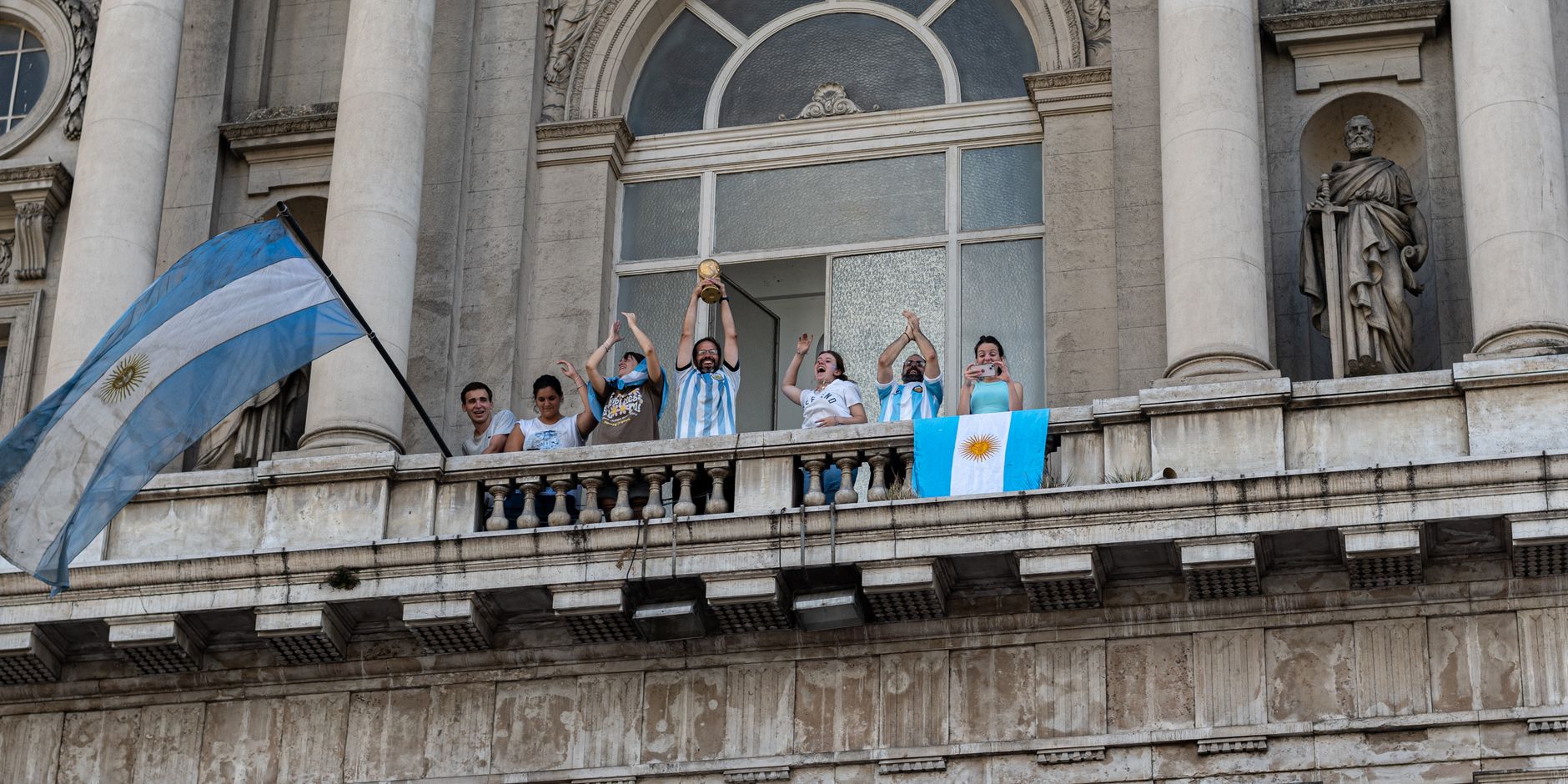
Photo by Fabrizio Velez on Pexels
Edge Cases & Gotchas
What can make a World Cup prediction misleading?
A World Cup prediction becomes misleading when it treats historical reputation, raw possession, or recent friendly results as stronger evidence than current availability and tactical matchup. Friendly matches often involve heavy substitutions, experimental formations, and reduced competitive intensity, so they should not be weighted like qualification or knockout fixtures.
Several traps deserve special attention:
- Brand-name bias: Brazil, Argentina, France, Germany, and England attract attention even when their defensive structure is unstable.
- Small-sample overreaction: One impressive group match does not prove a team can survive a knockout opponent.
- Unconfirmed availability: A doubtful centre-back or goalkeeper can change the entire risk profile.
- Venue blindness: Heat, humidity, altitude, and travel may influence intensity and substitutions.
- Third-place confusion: A team’s position cannot be judged without comparing all groups.
Another edge case is the penalty shootout. A knockout match recorded as a draw may still produce a winner, yet shootouts are influenced by goalkeeper selection, penalty order, and psychological momentum. There is no reliable shortcut that turns a few famous penalty takers into certainty. The International Football Association Board Laws of the Game set the formal penalty-kick rules, but rules do not eliminate variance.
How should responsible football analysis handle betting information?
Responsible analysis should treat betting markets as a reference signal, never as a guarantee or substitute for research. Odds can reflect injuries, public sentiment, trading models, and liquidity, but an attractive price does not prove that a selection is valuable. Readers should set a fixed budget, avoid chasing losses, and comply with the laws and age requirements of their jurisdiction.
Coach’s Corner focuses on predictions and tournament information, not promises of profit. This distinction matters because the emotional rhythm of a World Cup is designed to make every result feel urgent. After a late goal, the instinct is to recover what was lost immediately; that instinct has emptied more accounts than poor football knowledge ever did. A sound process includes limits, breaks, and a willingness to pass on a match when the evidence is weak.
The key is to record the reasoning before the match begins. Note the expected line-up, tactical matchup, venue, rest period, and uncertainty. Then review the decision after the match without rewriting history. That process is far more valuable than celebrating a lucky winner or disguising a poor decision behind the final score.
Photo by El gringo photo on Pexels
Verdict
The 2026 World Cup is bigger, longer, and more tactically demanding than any previous men’s edition. Forty-eight teams, 104 matches, 16 host cities, a 32-team knockout stage, and vast North American travel distances will create a tournament in which preparation compounds and careless assumptions collapse. The strongest analytical edge comes from combining format knowledge, squad depth, player roles, venue conditions, and confirmed team news.
I would begin with the group-stage mathematics, then inspect travel and climate, and only afterward compare star power. That order feels less glamorous than arguing about the favourite, but it survives contact with the pitch. Argentina’s 2022 triumph, Germany’s 2014 control, and Croatia’s repeated resilience all showed that tournament football rewards the team capable of handling the next problem, not the team with the loudest pre-match reputation. Follow Coach’s Corner for daily 2026 World Cup coverage, and remember: the winning angle is usually hidden in the detail everyone else is too impatient to read, believe it or not — I do.
Ready to follow every major 2026 World Cup development?
Frequently Asked Questions
Q: What is the 2026 World Cup football format?
A: The 2026 World Cup features 48 teams divided into 12 groups of four. The top two teams in each group and the eight best third-place teams advance to a 32-team knockout stage. The tournament contains 104 matches, making it the largest FIFA World Cup edition ever staged.
Q: How do teams qualify for the 2026 World Cup knockout stage?
A: Teams qualify by finishing first or second in their group, or by ranking among the eight best third-place teams. Points, goal difference, goals scored, disciplinary records, and other official tie-breakers can determine the order. Supporters should monitor parallel final-day matches because a late goal in another group may change the qualification picture.
Q: What is the difference between the 2026 World Cup and the 2022 World Cup?
A: The 2026 World Cup has 48 teams and 104 matches, while the 2022 tournament in Qatar had 32 teams and 64 matches. The 2026 competition also introduces a round of 32 before the last 16. That change increases the number of knockout fixtures and places greater emphasis on squad rotation and depth.
Q: Why can a World Cup prediction fail even when the favourite looks stronger?
A: A prediction can fail because football outcomes are affected by line-ups, injuries, tactical matchups, fatigue, weather, and set pieces. A highly rated team may dominate possession yet concede dangerous counterattacks or struggle against a compact defence. Check confirmed team news and venue conditions before relying on rankings or reputation.
Q: How much does it cost to follow 2026 World Cup football analysis?
A: Basic tournament news and official FIFA information can be accessed free through FIFA.com and many reputable sports outlets. Premium analysis, live data tools, or subscription services may charge monthly or annual fees depending on the provider. Coach’s Corner provides focused coverage of predictions, tactics, player statistics, and tournament developments, but readers should review any service terms before subscribing.
Q: Is World Cup football betting safe?
A: Betting is never risk-free, and no prediction guarantees a profit. Adults who choose to participate should follow local laws, use licensed operators where available, set a fixed budget, avoid chasing losses, and stop when gambling stops being controlled entertainment. Betting markets should be treated as probabilities, not promises.
Q: What should I check before analysing a 2026 World Cup match?
A: Check the confirmed line-ups, injuries, recent competitive form, tactical matchup, rest days, venue, weather, travel distance, and group-stage incentives. Then compare those factors with the available market information without allowing the price to replace football analysis. Recording your reasoning before kick-off is the best way to identify whether your process was sound.